Keep mob safe from diphtheria
Diphtheria (diff-THEER-ee-uh) is a bad germ causing sickness in some communities in Western Australia.
Aboriginal communities in the Kimberley, Pilbara, Goldfields and Midwest are most affected.
The diphtheria germ can make a toxin (poison) and cause serious illness.
Getting the diphtheria vaccine is the best way to protect against serious illness and protect your community. It is safe and has been around for more than 100 years.
- See your clinic if you have a skin sore or a sore throat.
- Keep your skin sores and wounds clean and covered.
- Ask your clinic if you and your family need a diphtheria vaccine.
Diphtheria vaccination
- Getting the diphtheria vaccine is the best way to protect against serious illness and protect your community. It is safe and has been around for more than 100 years.
- Make sure kids are up to date with vaccines. Aboriginal adults, and people living in areas where diphtheria is spreading, may need a booster vaccine if they haven't had one in the last 5 years.
Where to get vaccinated
All Aboriginal people in Western Australia can now get a free diphtheria vaccine.
Ask your Aboriginal Medical Service, community health or remote area clinic, or GP if they provide free diphtheria vaccines. To learn more, see Diphtheria alert for Western Australia.
Other ways to prevent diphtheria spreading
Diphtheria can spread through coughs and sneezes, contact with infected sores or ulcers, or by touching bandages, towels or other items used by someone with the infection.
To help prevent spread:
- cough and sneeze into your elbow
- throw used tissues in the bin
- wash hands often with soap and water, especially before making food, after coughing or sneezing, and before and after touching skin sores or dressings
- keep skin sores and wounds clean and covered
- get skin conditions like ringworm, eczema and scabies treated early – healthy skin helps prevent infection
- avoid close contact with people who are sick
- stay home and away from others if you are sick.
Symptoms
There are two types of diphtheria.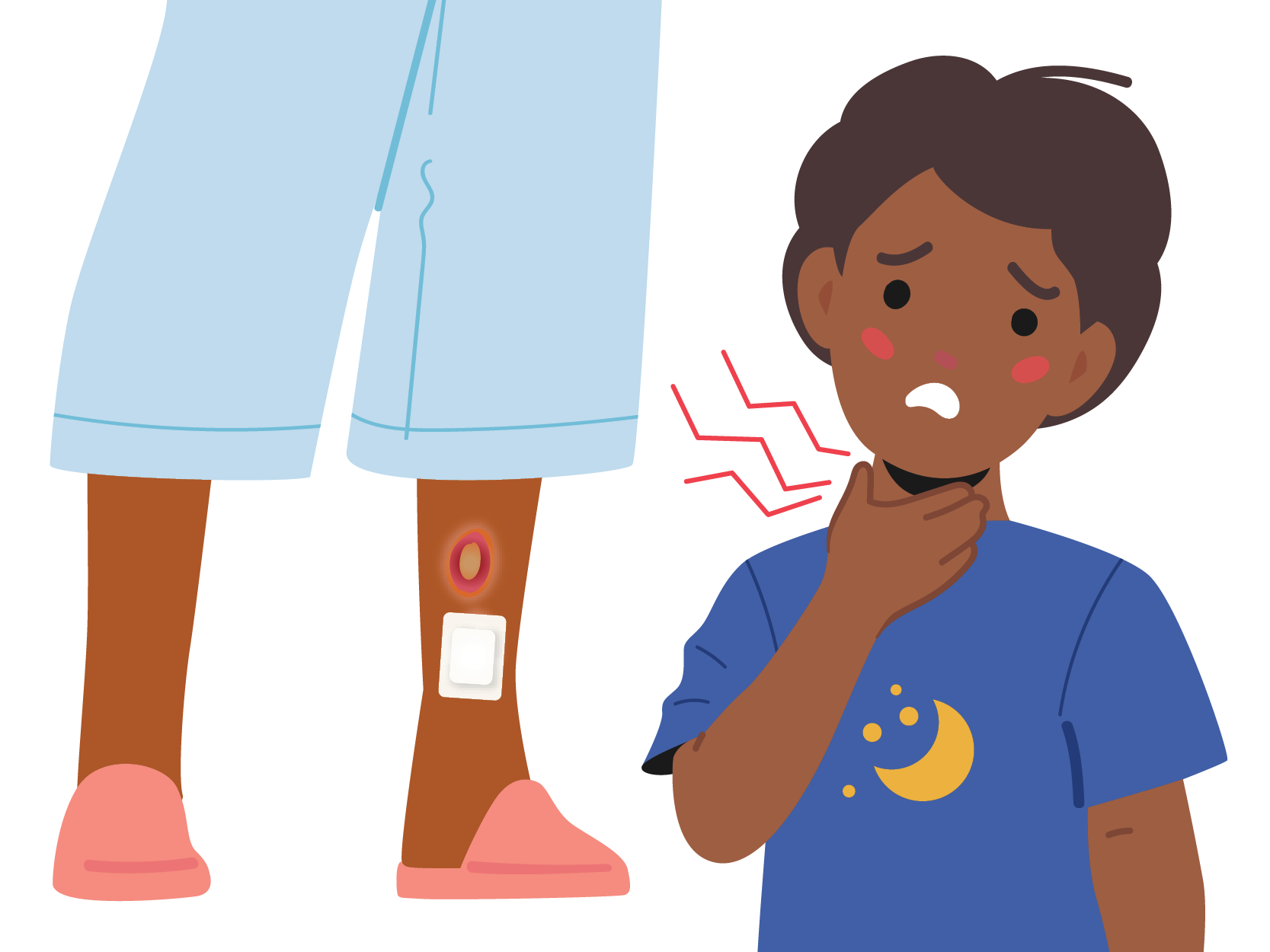
Skin (cutaneous) diphtheria
This is the most common type of diphtheria and can cause skin infections. Skin sores and ulcers that aren't getting better could be a sign of diphtheria.
Throat (respiratory) diphtheria
This is the most severe type of diphtheria. It can start like a cold with a sore throat, and might also cause:
- fever and chills
- trouble swallowing or breathing
- a grey-white coating in the throat
- swollen, painful glands in neck
- feeling tired
- not feeling hungry.
Complications
If diphtheria is not treated quickly, the toxin can enter the blood and damage other parts of the body. This can cause:
- heart problems
- nerve damage that can lead to weakness, choking and breathing problems
- long hospital stays
- death in severe cases.
What to do if you have symptoms
- See the clinic as soon as possible if you have a sore throat or skin sore.
- Seek urgent medical care if you have any trouble breathing or swallowing.
- Call your health clinic or 1800MEDICARE (1800 633 422) for help.
Treatment
Diphtheria is treated with antibiotics. People with a serious throat infection may need special medicine and treatment in hospital.
You may need a booster vaccine if you have diphtheria or have been in close contact with someone who has diphtheria, and you haven't had one in the last 12 months.
Resource
Last reviewed: 16-09-2026
This publication is provided for education and information purposes only. It is not a substitute for professional medical care. Information about a therapy, service, product or treatment does not imply endorsement and is not intended to replace advice from your healthcare professional. Readers should note that over time currency and completeness of the information may change. All users should seek advice from a qualified healthcare professional for a diagnosis and answers to their medical questions.